Frances Oliver
The new exhibition by incredibly talented young artist Semiramis Eldorado has been eagerly waited on. I was stood in a queue at the Fruithouse Gallery incredibly for two hours before the ticket bought for I was finally found.
The wait was worth it. The exhibition is incredibly nuanced and it would be easy to over-interpret it but you cannot over-exaggerate its incredible importance in our incredible times.
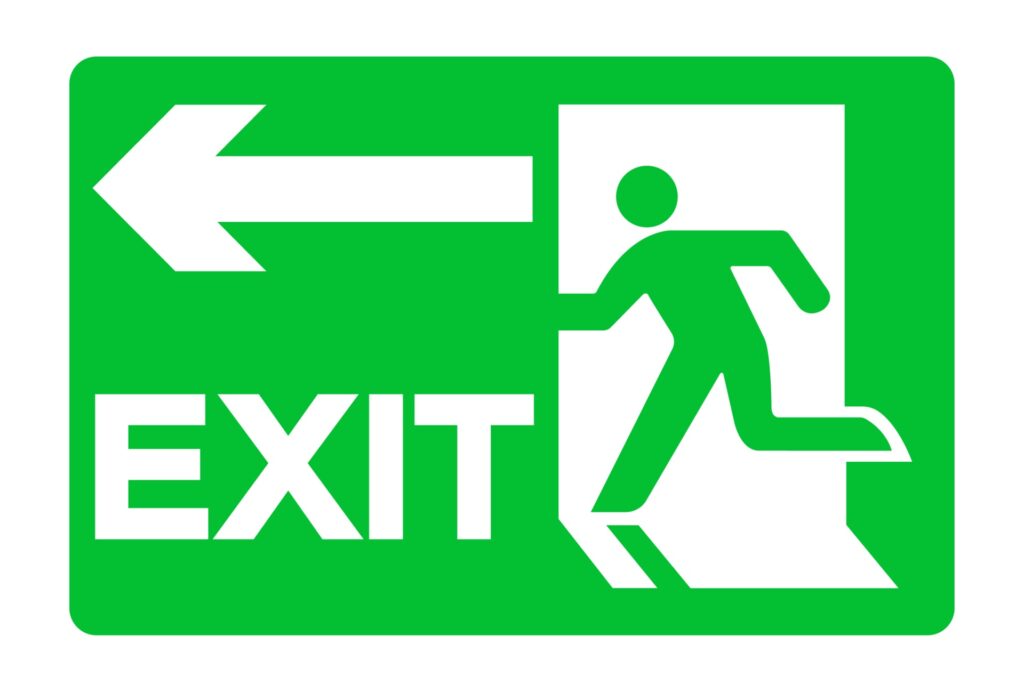
Familiar to everyone from all public spaces, Smiramis Eldorado spent six months papering the four walls of the Fruithouse Gallery with the little running man green exit signs, so they run in all directions and seem to the dazzled eyes of the visitor to be running into each other. The installation has that incredible deceptive simplicity that often implicates genius. What images could be more relevant to our confused and panicked age?
Some critics have seen the little running men to represent the demise of democracy, others as symbols of the general anxiety of the general public and the decline in mental health, others as the impossibility of escape from climate change more near than ever with the Trump administration’s denial and refusal to keep its legal pledges for remission reduction. Semiramis says Panic in the Streets is open to all interpretations, you make of the running figures what you want.
Some prominent visitors present at the opening have said that the entry to this art work should have a caveat as it might be deeply upsetting to persons already in mental distress. It is reported that some visitors were moved to contact their therapists and that the Samaritans have received at least two calls from people after visiting the very unique exhibition. The Fruithouse gallery did in fact consult a Cultural Counsellor before the opening but the Counsellor’s warning was not about anxiety reactions but that the lack of inclusivity and diversity in the little figures might cause offense. Why, the Counsellor said, are the signs always referred to as little men? Why is there no variety of gender or colour? Smiramis replied that these are the only signs available and universally recognised, no others would do.
The gallery has put a notice at the entrance saying the signs on the walls of this room are not to be obeyed, just in case confused people start rushing about in all directions. Galleries do now need to perhaps over-exaggerate their following of safety rules, after another installation at another gallery, the pool of treacle representing GREED, led to the death of an elderly visitor who fell in and could not be pulled out in time. The lawsuit that sprang from this forced that gallery to close and it is no wonder that galleries now suffer from nuance paranoia as to not only physical but emotional effects.
The exhibition is on until June. It would be incredibly amazing to see it travel around the world but obviously it cannot be moved and the Fruithouse Gallery is not a loaner.
Editor’s note: This mock review is written in the now-prevalent English that ‘fits the purpose’ (to add one more bit of post-modernese jargon). Perhaps someone will be inspired to actually make the installation. If so, please give ten percent of any exhibition profits to this magazine – or at least an acknowledgement.
Thank you.