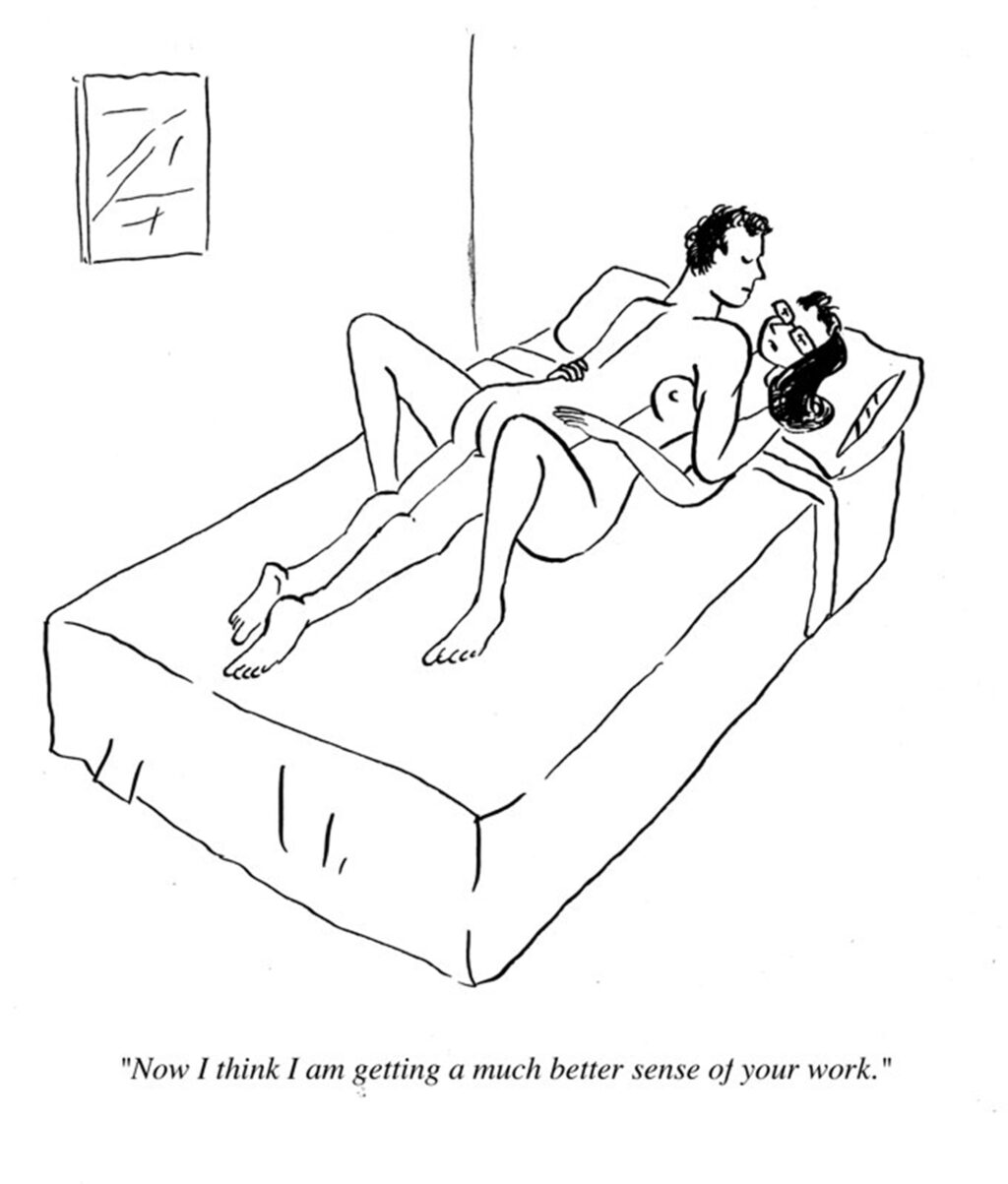
 The regular refrain about the art market being overpriced , overblown and an anchor weighing down creativity in our culture won’t go away. Ever. The reason is quite simple and anyone who has researched patronage even briefly, and the monetary system itself will understand: money panders to ego, vanity and power. So can art.
The inherent corruption of money is not in the monetary system itself but in humanity who created such a system. The system runs well when ethics are not included. Reagan and Thatcher broadly fought for a Free Market where the rigours of supply and demand govern everything. The problem with this and the monetary system as a whole is that many human beings think and money doesn’t. The Art Market is no more inherently corrupt than the Dow Jones, central governments or any concourse where money matters are transacted.
We have generated a system where people worship rich people. Not because they are clever, wise or ethical but because they have money. No other reason. The Art Market knows those rich people who want, as many always have, to display their wealth to the people through the visual experience. They build modern palaces, today called skyscrapers, they leave museums in their own names for posterity, they exchange notes with other rich collectors and live of the fat of general opinion amongst those who discourse about art.
The artist, creating because they want to, because they feel they must, is a child of another god. As human but utterly disengaged from the art market. The personality that does well in the art market is not that of an artist but of the entrepreneur, giving the people what fashion dictates they give. In other words ‘what sells’. Theirs is the work of those who want to take advantage of their times, not define them. Their celebrity of course, catches the headlines and seems to define the times but when their celebrity burns away with passing years what is left in the burnt out remains is the history of art. Who becomes a footnote and who becomes favoured is always decided by successive generations.
Daniel Nanavati UK Editor
Volume 30 number 6, July / August 2016 pp 6
I was thinking if money is the cause of corruption, what if we returned to the barter system? There are some definite advantages that would lead to a less materialistic culture, trading for what one really needs and without creating any wastage. Eliminating the monetary value of art would return its value to aesthetic appreciation and no longer be considered a commodity like it is today.
Were our society to collapse, our plastic money would be worthless and bartering could become a reality. I could exchange one of my paintings to rent a room, or in exchange for food, wood, and so on. If my paintings were really appreciated, then I might be able to exchange them for a skyscraper, but that could be a bit excessive, and then we would be getting back into the vicious circle of wealth again.
Your recent reflections on the inherent corruption of the art market and the “entrepreneurial” distortion of the artist resonate deeply with the theoretical framework I have been developing around the concept of Homovictimus.
You rightly point out that the market does not just trade in objects; it trades in ego, vanity, and power. From my perspective, the modern art market has become one of the most sophisticated topologies of the Onopticon—a system where visibility is the primary currency and the individual is reduced to a “sustainable energy source” for the neoliberal machine.
The “Entrepreneur” as the Ultimate Homovictimus
In your text, you distinguish between the artist and the entrepreneur. The entrepreneur-artist is, in many ways, the ultimate Homovictimus. They are not merely “giving what fashion dictates”; they are optimizing their own essence to remain “harvestable” by the system. By choosing to “take advantage of their times” rather than “define them,” they accept their role as a sacrificial unit in the temple of the Free Market. They are the “victims” who have learned to love their own exploitation because it is gift-wrapped in celebrity.
The “Child of Another God” and Resistance
You describe the true artist as a “child of another god,” utterly disengaged from the market’s hunger. This is where our thoughts converge most powerfully. To be “disengaged” today is the most radical form of resistance. In an era where every digital and creative act is mined for data and “attention-energy,” the artist who creates out of an internal necessity—not for the “fat of general opinion”—is the only one who escapes the status of Homovictimus.
History vs. The Algorithm
You mention that successive generations decide who becomes a footnote. However, in our current digital biopolitics, we face a new danger: the Algorithm attempts to write history in real-time. The “history of art” you speak of—the burnt-out remains after the celebrity fades—is now being pre-emptively categorized by a system that prioritizes “what sells” over “what is.”
The struggle you describe is not just about the corruption of money; it is about the preservation of the human spirit against a structural necessity that demands we all become kurbans (victims) of our own vanity.
Thank you for this sharp diagnosis. It confirms that the pathology of our era requires not just a new art criticism, but a new philosophical anthropology.
or maybe just less capitalism and more honesty. Skill and taste still matter to culture even if they have become meaningless to the collector.
Thank you for your comment. You writing is illuminating.